
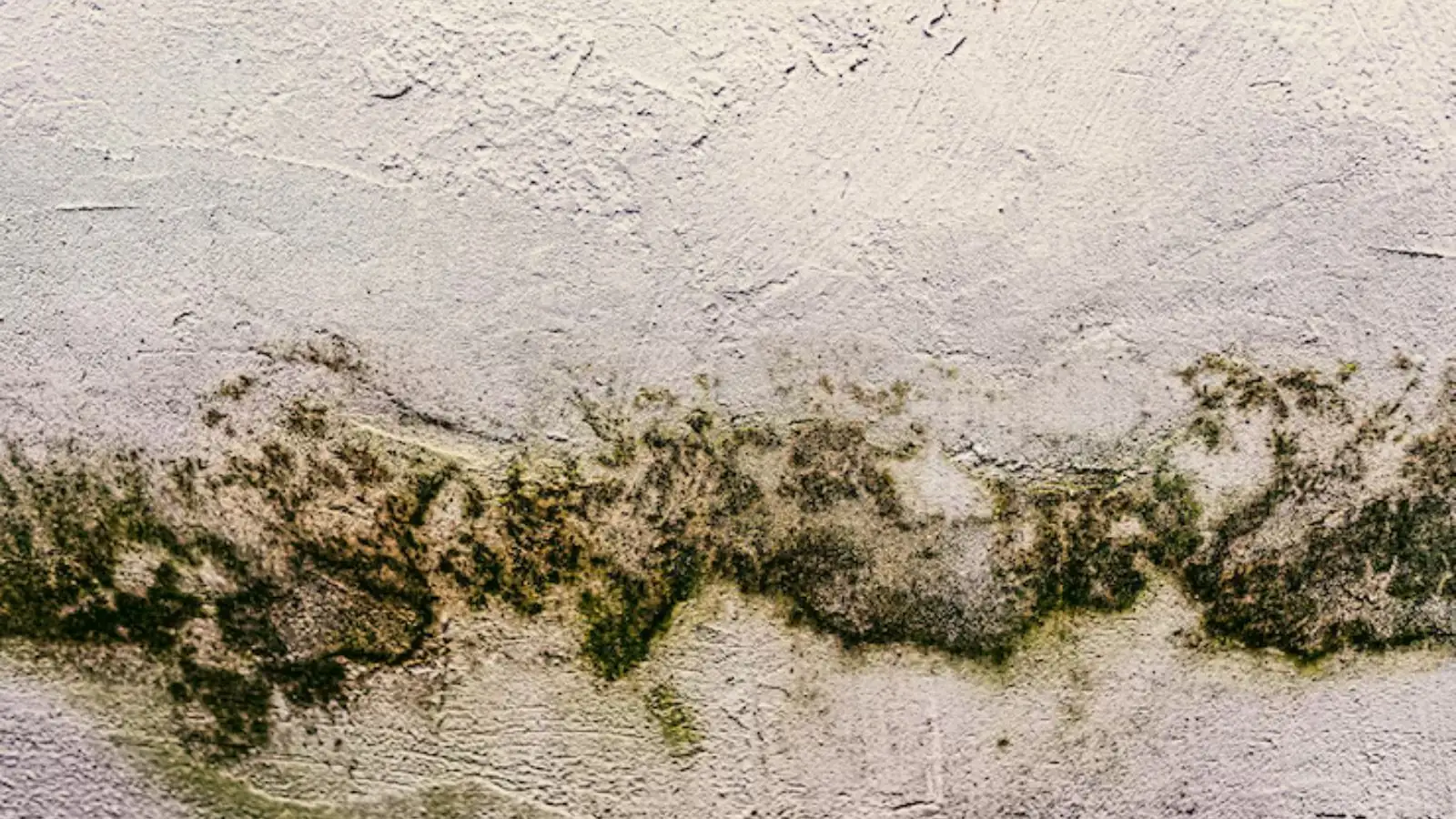
People search for what kills black mold because they see dark spots and want them gone fast. The answer is more useful than a product name. On hard, non-porous surfaces, cleaning can remove surface mold. On porous materials such as drywall, ceiling tile, carpet and insulation, the mold grows into the material, and the realistic answer is removal, not killing. Whatever you do, mold returns if the moisture that fed it is still there.
This guide is general information. It is not health advice, and health questions belong to a physician. It explains how mold is dealt with in practice, using the published standard that restoration companies follow.
Black mold is a label, not a diagnosis
The phrase black mold is used loosely for any dark growth. Color alone does not tell you what kind of mold it is, and it does not tell you anything about risk. Identifying a specific mold takes lab analysis, and even then the practical response for a home is the same: find the moisture, remove contaminated material and clean the area.
That is why professional standards focus on moisture and containment, and not on naming the species.
Why bleach and sprays fall short
Household bleach and many sprays work on the surface. Mold on drywall, wood and fabric sends roots into the material, where a surface cleaner does not reach. Bleach is also mostly water, which adds moisture to a porous material. A spot may look gone for a few weeks and then return. If you see that, the moisture problem is still there.
| Surface | What usually works | Why |
|---|---|---|
| Glass, tile, sealed metal | Detergent cleaning and drying | Non-porous, mold stays on the surface |
| Painted drywall with a small spot | Check moisture, then remove or have it assessed | Mold may be inside the board |
| Unpainted wood framing | HEPA vacuuming, damp cleaning and drying | Wood can be cleaned and dried |
| Carpet and pad | Removal and replacement | Cannot be cleaned through to the pad |
| Insulation | Removal | Absorbs and holds moisture |
| Ceiling tile | Removal | Porous and cannot be cleaned effectively |
What the standard says
ANSI/IICRC S520 is the published standard for professional mold remediation. It describes assessing the area, containing it, removing contaminated materials, cleaning and verifying. The goal is to remove the mold and restore normal conditions, which is a different goal from killing it. Drying is part of the standard, because without it, the same conditions return.
The mold remediation page walks through that process in more detail. Because mold follows water, the first step is often the one covered on the structural drying page, which explains how a wet structure is brought down to a dry standard.
What you can safely do yourself
For a small spot on a hard surface, damp-wipe it with detergent and water, dry it completely and watch for recurrence. Fix the leak or the humidity source. Wear gloves and eye protection, and do not sand, scrub dry or blow air across the growth, which spreads spores. If the area is larger, if it is on drywall or carpet or if you cannot find the moisture source, stop and have it assessed.
The New York State mold program
New York regulates mold work through the New York State Department of Labor's mold program. It requires licenses for mold assessors and for remediation contractors, and it sets work standards. Under the program, the person who assesses a mold project may not also perform the remediation on it, an independent assessment defines the scope and a post-remediation assessment follows. Homeowners working on their own property are a limited exception.
For a Medford homeowner, the practical point is to ask any mold company for its New York license before you hire it, and to read the department's mold program page. The rules apply across Suffolk County.
Water is the cause, so fixing the leak comes first. The wall and drywall page explains what happens when mold is inside a wall, and the kitchen water damage page covers cabinets, where mold often starts. The same approach applies to a bathroom in Patchogue or a basement in Middle Island.
Mistakes people make with growth
The most common mistake is spraying a product on a stain and calling it done. A surface treatment can lighten the color without removing growth that has gone into drywall or wood. Another is scrubbing dry growth, which can release spores into the air of the room.
A third mistake is repainting over a stain before the moisture is fixed. Paint hides the sign and leaves the cause in place, so the growth returns and the wall is harder to assess later.
What kills black mold FAQ
Does bleach kill black mold?
On a hard surface it can clean the surface. On porous materials it does not reach the roots and adds moisture, so removal is the realistic answer.
Can vinegar solve a mold problem?
It may clean a small surface spot, but it does not solve a moisture problem or remove mold from drywall or carpet.
Do I need mold testing?
Testing is a separate assessment. In New York, an independent assessor defines the scope for a mold project, so ask for that before remediation.
Will mold come back after cleanup?
Removing the moisture source lowers the chance of regrowth, and nobody can promise it will never return. Keep humidity and leaks under control.
Does a mold company in Medford need a license?
New York's mold program licenses assessors and remediators. Ask for the license and check the Department of Labor page.