
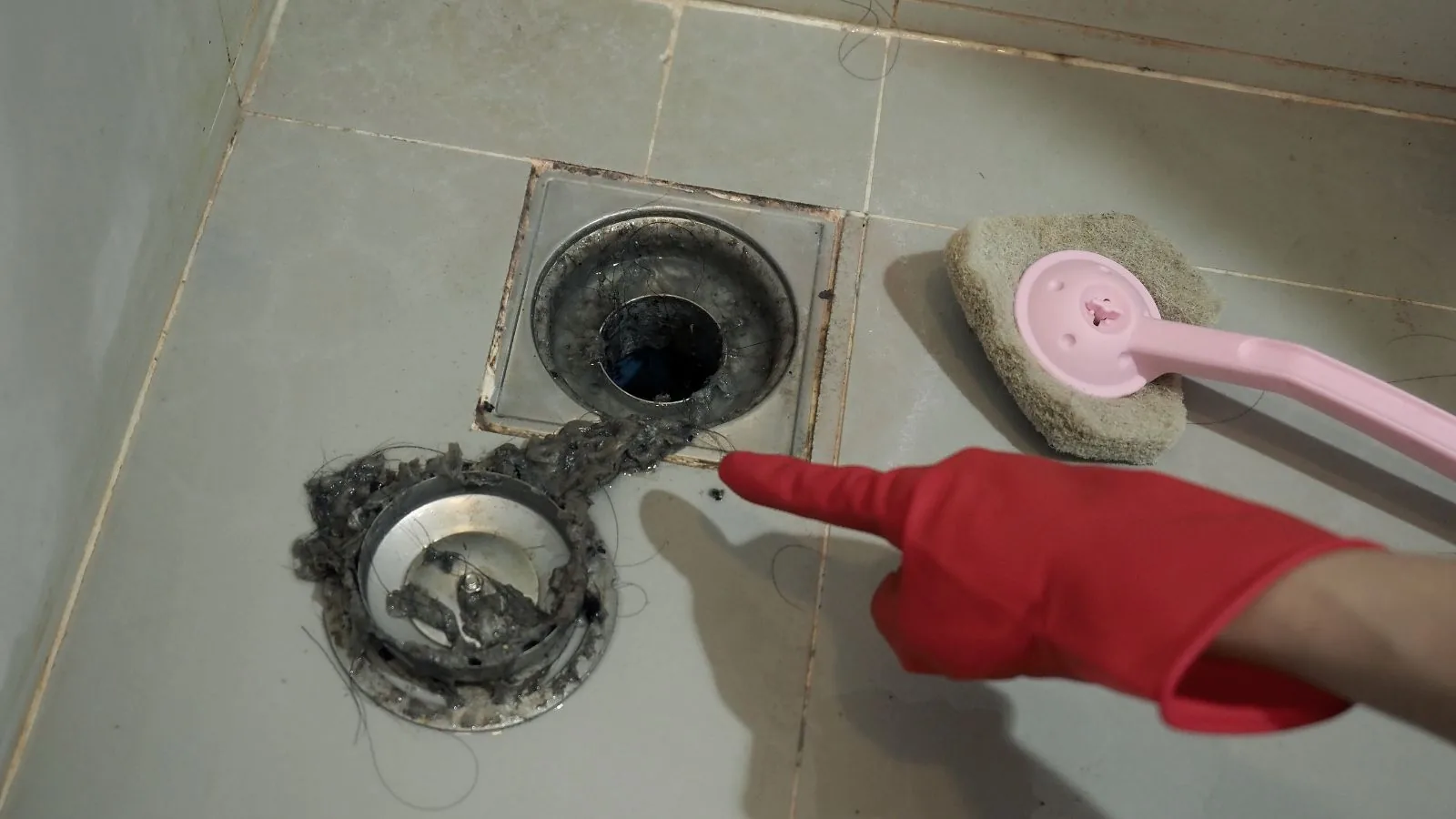
Sewage backup cleanup is the safe removal of contaminated water and materials after a sewer line or septic system pushes waste into a building, followed by cleaning and disinfection. It is an emergency from the first sign, because the water can carry bacteria and other contaminants, and the 24/7 line is open overnight and on weekends.
Keep people and pets out of the water, do not run water or flush, and wear protective gloves and boots if you must enter. Do not use fans to move air through the house.
Sewage backup emergency: what to do first
A person who finds water coming up a floor drain or toilet may not know the term for it. The water is usually dark, smells of sewage and arrives through the drain at the bottom of the house.
Stop using water in the house, because every flush and shower sends more into the same line. Keep children and pets away, and do not try to clean it up with a household mop.
Then call two places. A plumber can find the cause, whether it is a blocked house drain, a collapsed section or a problem with the main. The restoration line handles what the sewage touched. If you are on a municipal sewer, the sewer authority can tell you whether the main is blocked. If you are on a septic system or cesspool, the problem may be on your property.
Why this is Category 3 water
The ANSI/IICRC S500 standard puts sewage in Category 3, meaning grossly contaminated water, and it requires a plan that assumes contamination until proven otherwise. This is not the same as a clean supply leak. Porous materials that absorb Category 3 water are usually removed and discarded, and hard surfaces are cleaned and disinfected.
| Material | After a sewage backup | Why |
|---|---|---|
| Carpet and pad | Removed | Cannot be cleaned through to the pad |
| Drywall and insulation | Removed to above the water line | Absorb contaminants |
| Hardwood and laminate | Usually removed | Water gets into seams and subfloor |
| Tile and concrete | Cleaned and disinfected | Non-porous |
| Framing | Cleaned and disinfected | Can be treated and dried |
Household fans and a shop vacuum are not enough, and using them can spread contaminated particles. Cleanup should be done with containment and the right protective gear.
How the cleanup is done
Contain
Isolate the affected area and keep contaminated material from spreading to clean rooms.
Remove porous materials
Wet carpet, pad, drywall and insulation are cut out, bagged and disposed of properly.
Clean and disinfect
Hard surfaces and framing are cleaned and treated with antimicrobial products.
Dry and verify
Air movers and dehumidifiers dry the structure, and readings are tracked. See structural drying.
A basement is the most common place for a backup, so the basement water damage page covers finishes and drying below grade. For water that arrived from storm or surface flooding, see the flood damage cleanup page.
Septic, cesspool and municipal sewer
Homes that are not on public sewer use a septic system or cesspool, and a backup there can come from an overfull or failing on-site system. Homes on public sewer can be affected when a main is blocked downstream.
Which applies depends on the property, and the answer is on your sewer or tax record or from the Town of Brookhaven and Suffolk County health authorities. Ask them if you are unsure.
The practical point is that the fix for the cause is a plumber, a septic contractor or the sewer authority, and the cleanup follows. Do not let anyone dry or rebuild until the source is fixed, or the backup can happen again.
What affects the cost
Water category
Category 3 requires containment, disposal and disinfection.
Area and volume
More wet rooms and deeper water mean more removal and more disposal.
Materials
Carpet, drywall and insulation are removed, while concrete and framing are cleaned.
Duration
Contaminated water that sat longer soaks deeper.
Rebuild
Replacement drywall, flooring and finishes are priced after cleaning.
Sewer or drain backup is often excluded from a standard homeowners policy unless a water backup endorsement was added, so check your policy and ask your insurer. Want your real number? Call (833) 521-1033.
Sewage in the house?
Stay out of the water and call the 24/7 line. Tell it where the backup came from.
Sewage backup FAQ
Do you handle sewage backup emergencies at night or on weekends in Medford?
Yes. The line is available 24/7, including overnight, weekends and holidays. Call and describe where the water is coming up and how far it has spread.
Can I clean it up myself?
Doing it yourself is not recommended. Sewage carries bacteria, and a backup into carpet, drywall or a basement needs containment, protective gear and disinfection that a household mop and vacuum cannot provide.
What should I do about my sewage-soaked belongings?
Porous items such as upholstered furniture and carpet are usually discarded. Hard items can often be cleaned. Photograph everything before it is removed.
Who fixes the cause?
A plumber, septic contractor or the sewer authority, depending on the system. Restoration begins in parallel.
Do you cover homes near Medford?
Yes. Calls come from Holtsville, Yaphank, Patchogue, Middle Island and Blue Point.