
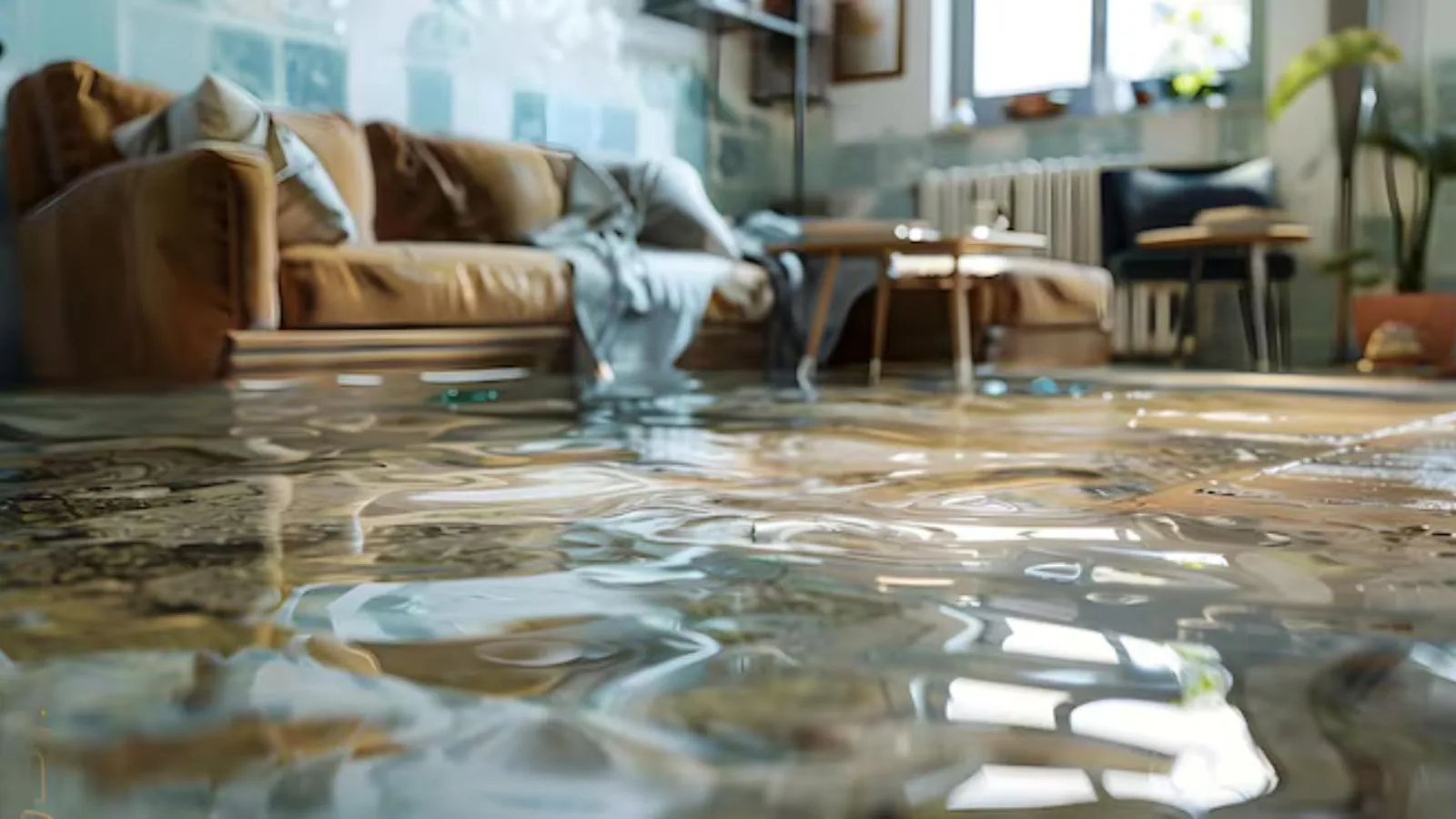
A wet mattress or sofa can sometimes be saved and often cannot, and the deciding factors are the type of water and how long the item sat wet. Clean water caught quickly gives you a chance. Contaminated water, or any water that sat for days, usually means the item goes. This guide covers how to decide, how to dry what can be dried and how to document what you throw away.
If water is still spreading, deal with that first. Furniture is replaceable and the structure is not, so shut off the source, call the 24/7 line for the room and handle the furniture second.
The water decides
The same three questions that apply to floors apply to furniture. Where did the water come from? How long did the item sit wet? What is it made of?
| Water source | Usually clean or contaminated | Likely outcome for a mattress or sofa |
|---|---|---|
| Supply line, water heater, clean rain | Clean at first | May be saved if dried quickly |
| Washing machine or dishwasher drain | Gray water | Discard upholstered and soft items |
| Toilet overflow, sewer backup, floodwater | Contaminated | Discard, and do not try to dry |
| Water that sat for several days | Any | Often discarded because of odor and growth risk |
Contaminated water is the clear rule. A mattress or sofa that soaked in sewage or floodwater should not be dried and reused, because the contamination goes deep into the fill and cannot be cleaned out reliably.
Mattresses
A mattress is a thick pad of foam, springs and fiber, and water goes deep. A foam mattress that is wet through is very hard to dry, because the foam holds water in its core. An innerspring mattress has more air space but the layers around the springs still hold moisture. A small clean spill on the surface can be blotted and dried. A mattress that was soaked is a different matter.
If you try to save a mattress after a clean-water event, lift it off the floor, stand it up in a dry room with air moving across it and watch for odor or staining over several days. Do not put a damp mattress back on a bed. If it smells musty or feels cold and damp, it is not drying and it should go.
Sofas and upholstered furniture
Upholstered furniture has fabric, padding and a frame. The frame, if wood, can often be dried. The padding and fabric absorb water and hold it. A sofa with a clean-water wetting on the bottom may be dried by lifting it onto blocks, removing cushions and running air across it. A sofa that sat in standing water for a day or more is rarely worth the effort.
Leather and vinyl are easier to wipe than fabric, but the cushions and fill under them still absorb water. Wood furniture can often be saved if dried, but veneer can lift and glue can fail.
Document before you decide
The New York State Department of Financial Services advises providing a detailed inventory of damaged items with receipts or other proof of value, and saving receipts for emergency repairs. For furniture, that means a photo of the item showing the damage, a note of when and where you bought it and what it cost, and the model or label if you can find it. Photograph it in place before moving it, and again outside.
Do not throw the item away before the adjuster has seen it or told you it is fine, unless it is soaked by sewage or is a health hazard. If you do dispose of it, keep the photos and the inventory.
A Medford note on what is under the furniture
Furniture that was wet usually sat on carpet, which means the carpet and pad are wet too, and the floor underneath may be the bigger problem. Check there first. Medford is in the Town of Brookhaven, and large items are generally disposed of through town or private pickup arrangements, so ask the Town of Brookhaven how to handle bulk items before you put them at the curb.
In Suffolk County, the New York State Department of Financial Services guidance on documenting losses applies as it does elsewhere in the state. Photos and a written inventory protect you if the claim takes weeks.
Water in the room is the larger job, and the carpet water damage page explains what happens to carpet and pad. If the water came from a burst supply line, the burst pipe page covers the cleanup. Furniture losses are common after storms in Blue Point and after pipe failures in Holtsville.
A quick decision checklist
- Was the water clean, gray or contaminated?
- How long did the item sit wet?
- Is the item foam, springs, fabric or wood?
- Does it smell musty after a day of drying?
- Is it worth more than the cost of replacing it?
Wet furniture FAQ
Can a soaked mattress be saved?
Sometimes, if the water was clean and it was dried quickly. A foam mattress soaked through is hard to dry, and any mattress soaked by contaminated water should be discarded.
Is it safe to sleep on a mattress that dried out?
If it dried quickly after a clean-water event and has no odor or staining, it may be usable. If it smells musty or stays damp, replace it.
Should I keep a wet sofa for the insurance adjuster?
Photograph it first and ask the adjuster. Do not keep items soaked by sewage, which are a health hazard.
How do I get rid of large wet furniture in Medford?
Ask the Town of Brookhaven about bulk item collection or use a private hauler. Document the item first.
Will drying the room also dry the furniture?
It helps, but furniture needs to be moved off wet carpet and handled separately.