
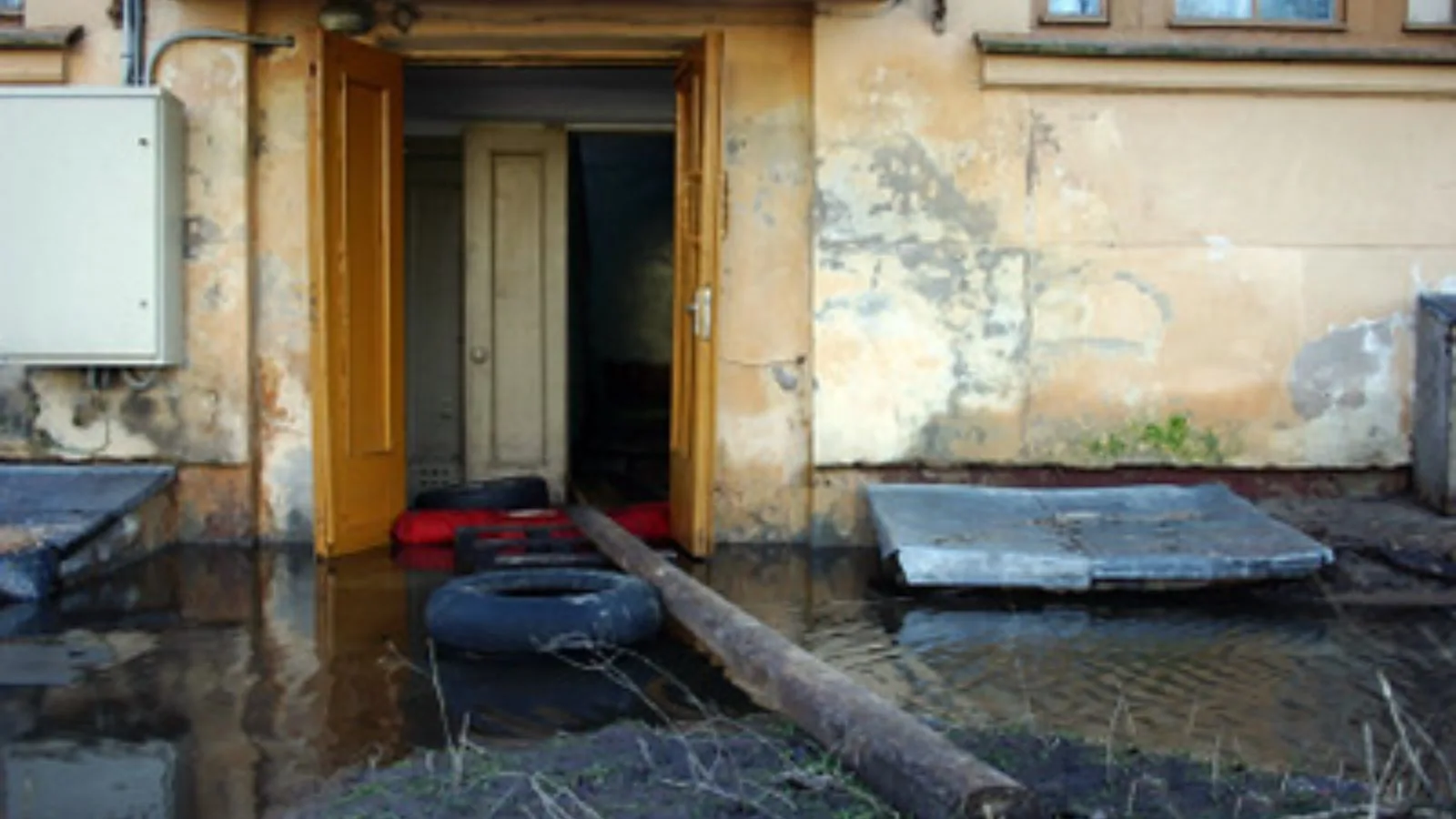
A water damage claim is mostly a record-keeping exercise. The insurer needs to understand what happened, what it damaged and what it cost to put right, and the better your records are, the fewer questions come back. This guide covers the steps in the order they usually matter, from the first hour to the follow-up. It is general information, and your insurer's instructions and your policy come first.
If water is still spreading, stop the source if it is safe, keep out of water near electrical equipment and call the 24/7 line. Protecting the property from further damage is part of what an insurer expects, and the paperwork can follow.
Step 1: Make it safe and stop the damage
The first job is to stop the water and protect people. Close the shutoff valve or the main. If the panel or outlets are wet, stay out and call 911 or the utility. Then limit further damage in reasonable ways, such as lifting belongings off a wet floor and removing standing water. Insurers generally expect a homeowner to take reasonable steps to prevent more damage, and receipts for those steps are worth keeping.
Step 2: Document before you clean up
The New York State Department of Financial Services advises documenting losses before cleaning up, using photos or video. Take wide shots of each room, then close-ups of the damage, the water line and the source. Capture the failed part if there is one, such as a split hose or a cracked fitting, and keep it if you can. Include the date and time. A slow walk-through video narrated in your own words is quick and useful.
Step 3: Report the loss
File your claim with the insurer that sold you the policy, following the instructions in the policy, and do it as soon as possible. The same state guidance says to keep records of your conversations and follow up in writing. Write down the date, the name of the person you spoke to and what was said. If you rent, tell the landlord or building manager as well, since the building's policy may apply.
Step 4: List what was damaged
A detailed inventory is one of the most useful things you can hand an adjuster. List each damaged item, its approximate age and what you paid, and attach receipts or photos where you have them. Do not throw damaged items away until the adjuster has seen them or has told you it is fine, unless they are a health hazard, such as items soaked by sewage.
Step 5: Get the structure dried and documented
A restoration crew produces records that matter to a claim. Moisture readings by room and material show how wet the building was, and a daily drying log shows the readings falling to target. An itemized scope of work lists what was removed, what was dried and what will be rebuilt. These documents do not decide coverage. They show the insurer what the loss involved. The structural drying page explains how those readings are taken.
Step 6: Keep every receipt
| Record | Why it helps |
|---|---|
| Dated photos and video | Show the damage as it was |
| Receipts for emergency steps | Document what you did to limit the loss |
| Restoration scope and drying log | Show what was wet and how it was dried |
| Item inventory with values | Supports a contents claim |
| Notes on every call | Create a clear timeline |
Step 7: Follow up and read the response
An adjuster is likely to inspect the damage and estimate repair or replacement costs. When you receive a decision, read it carefully. If a claim is denied, the insurer should give a reason supported by the policy language. If you disagree, you can ask for clarification in writing and, if needed, file a complaint with the state department. Keep the replies together with your records.
Medford notes on records and where to get help
Medford is in the Town of Brookhaven, Suffolk County. For permit questions about repairs after a loss, the Town of Brookhaven Division of Building is the office to ask, and it is worth asking before you start rebuilding walls or replacing structural parts. For insurance, the New York State Department of Financial Services publishes consumer guidance on filing claims and handling disputes, and accepts complaints through its website.
One more local habit helps. Keep a folder, paper or on your phone, labeled with the date of the loss, and put every photo, receipt and note in it. When a claim runs over several weeks, that folder saves time.
The restoration side is practical. For a loss that began with a pipe, the burst pipe page explains the cleanup, and for a pipe that was frozen, the frozen pipe page covers it. Residents in Yaphank and Middle Island follow the same steps.
Medford water damage claim FAQ
How soon should I report a water damage claim?
As soon as possible after the loss, according to the New York State Department of Financial Services, and by following the instructions in your policy.
What if the insurer denies my claim?
The insurer should give a reason supported by the policy language. You can ask questions in writing and file a complaint on the department's website.
Do I need photos if a restoration company is documenting the loss?
Yes. Your own photos taken before cleanup capture the original condition, and the restoration records add moisture readings and a scope.
Which Medford office handles repair permits?
Ask the Town of Brookhaven Division of Building whether your repair needs a permit before work begins.
Should I throw away damaged items?
Not until the adjuster has seen them or approved it, unless they are a health hazard such as items soaked by sewage.