
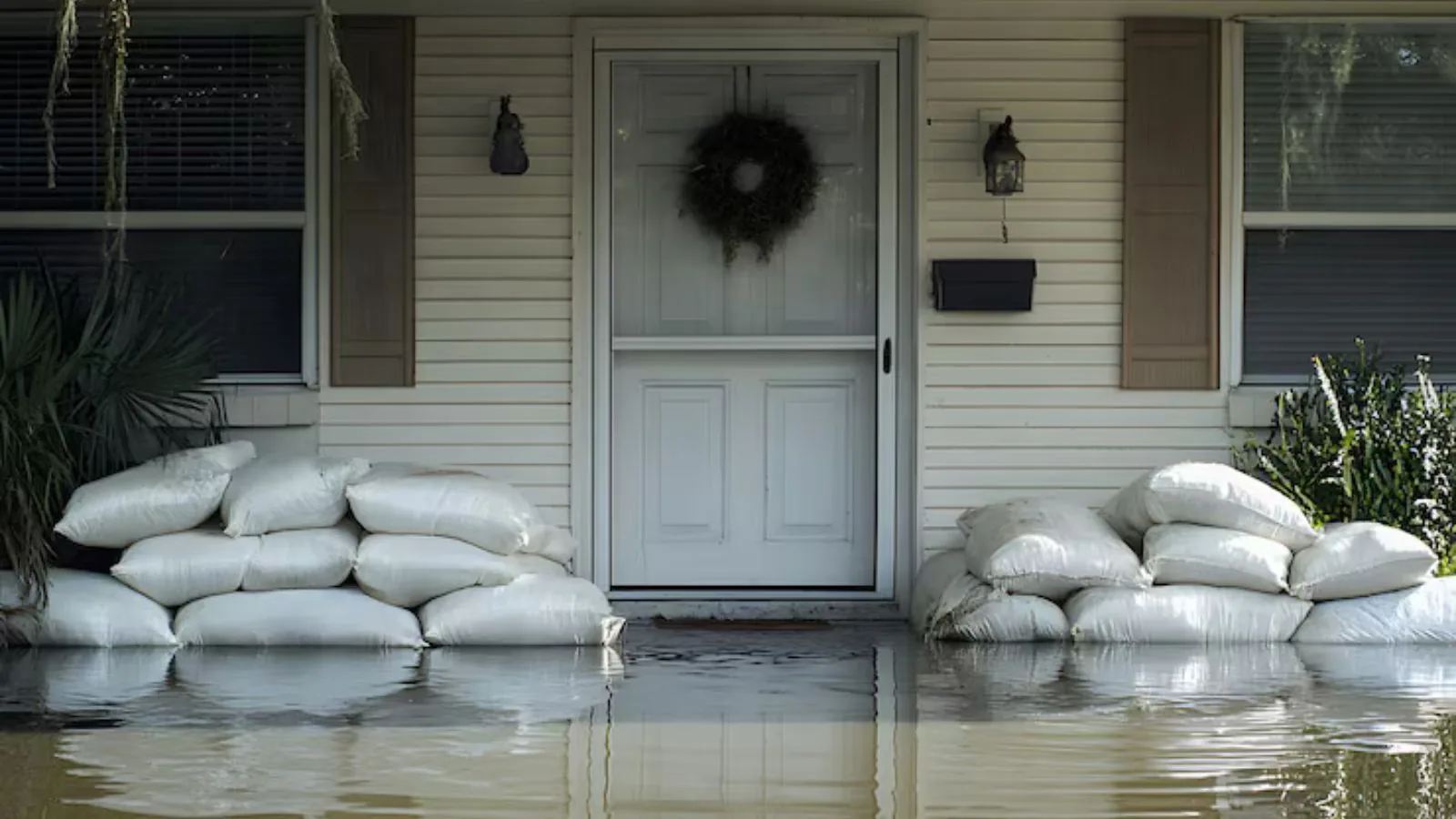
Water damage is sorted into three categories based on how contaminated the water is. Category 1 is clean water from a sanitary source, Category 2 is gray water that carries some contamination and Category 3 is black water that is grossly contaminated, such as sewage or floodwater.
The category decides what can be dried in place, what must be removed and what protective steps are needed. This guide explains each in plain terms and shows how a category can get worse with time.
The three categories
| Category | Common name | Typical sources | Usual handling |
|---|---|---|---|
| Category 1 | Clean water | Supply line, faucet, water heater, clean rain | Extract and dry in place when caught quickly |
| Category 2 | Gray water | Washing machine or dishwasher discharge, toilet overflow with urine only, sump overflow | Extract, remove porous materials, clean and dry |
| Category 3 | Black water | Sewage, rising floodwater, toilet backup with solids, stagnant water | Remove porous materials, clean, disinfect, protective equipment |
These categories are described in the industry's standard for professional water damage restoration, and restoration companies use them to plan the work. A category is not just a label, it changes what is thrown out.
Category 1: clean water
Clean water starts from a safe source, and a burst supply line or a leaking water heater are common examples. Carpet, pad and drywall that got wet from clean water can often be dried if the response is quick. The burst pipe and water heater leak pages describe these losses.
Category 2: gray water
Gray water carries contaminants that can cause discomfort or illness. A washing machine overflow is a typical example. Porous materials such as carpet pad and insulation that were soaked are usually removed, and hard surfaces are cleaned. Gray water can progress if left, so speed matters.
Category 3: black water
Black water is the serious category. Sewage backups, rising floodwater and water that has stood for a long time fall here. Porous materials that touched it are removed and discarded, and hard materials are cleaned and disinfected. People should stay out of the area and not try to clean it themselves. The sewage cleanup page and the flood damage page explain the process.
Categories can change
Clean water that sits can become contaminated. Water that runs through a building picks up dirt, debris and material from what it touches, and warm conditions let bacteria grow. A Category 1 leak that is not dried for a couple of days may be treated as Category 2 or worse.
That is a reason to start extraction early, and a reason the answer to what kind of water it is can change within a day or two.
What you can do while you wait
Do not walk through contaminated water, run fans in it or use a household vacuum on it. Keep children and pets out. Photograph the damage. Shut off the source if it is safe. Leave porous items where they are if they are wet with contaminated water, and let the technician decide.
A Medford note on sources and soil
Medford homes may be on public sewer or on private septic systems depending on the street, and that changes what a backup means. A backup from a septic system or a drain line is Category 3 water, and the cleanup involves the plumbing side as well as the building. Check with the Town of Brookhaven or Suffolk County Department of Health Services if you are unsure what system serves a home.
Heavy rain and storm surge are the other source of Category 3 water on Long Island, since floodwater picks up contaminants from the ground. After a storm, treat any water that came in from outside as contaminated until a professional says otherwise.
The categories apply the same way in Yaphank and Holtsville. For a stormy area like Blue Point, floodwater is the common Category 3 source.
Questions to ask your restoration company
- Which category do you believe the water is, and why?
- Could it have changed since the loss began?
- Which porous materials are removed because of that category?
- What protective equipment and cleaning steps are used?
Why the category is written down
A good restoration company records the category in its scope and notes any change over the course of the job. That record explains why certain materials were removed, and it supports an insurance review. If a proposal does not mention the category at all, ask for it.
The category also affects who should be in the building. During work on Category 3 water, occupants, especially children, older adults and anyone with a weak immune system, should stay out of the affected area. Ask the crew to explain how the work area will be separated from the rest of the home.
Water category FAQ
What is Category 1 water?
Clean water from a sanitary source, such as a broken supply line. It can often be dried in place if caught quickly.
Is gray water dangerous?
It carries contamination and should be handled with care. Porous materials soaked by it are usually removed.
Can I clean up black water myself?
No. Black water such as sewage or floodwater needs protective equipment and professional cleaning.
Can clean water become gray or black?
Yes. Time, warm conditions and contact with building materials can contaminate it, which is why extraction starts early.
Who decides the category?
A trained technician, based on the source and condition of the water. Ask how it was decided.