
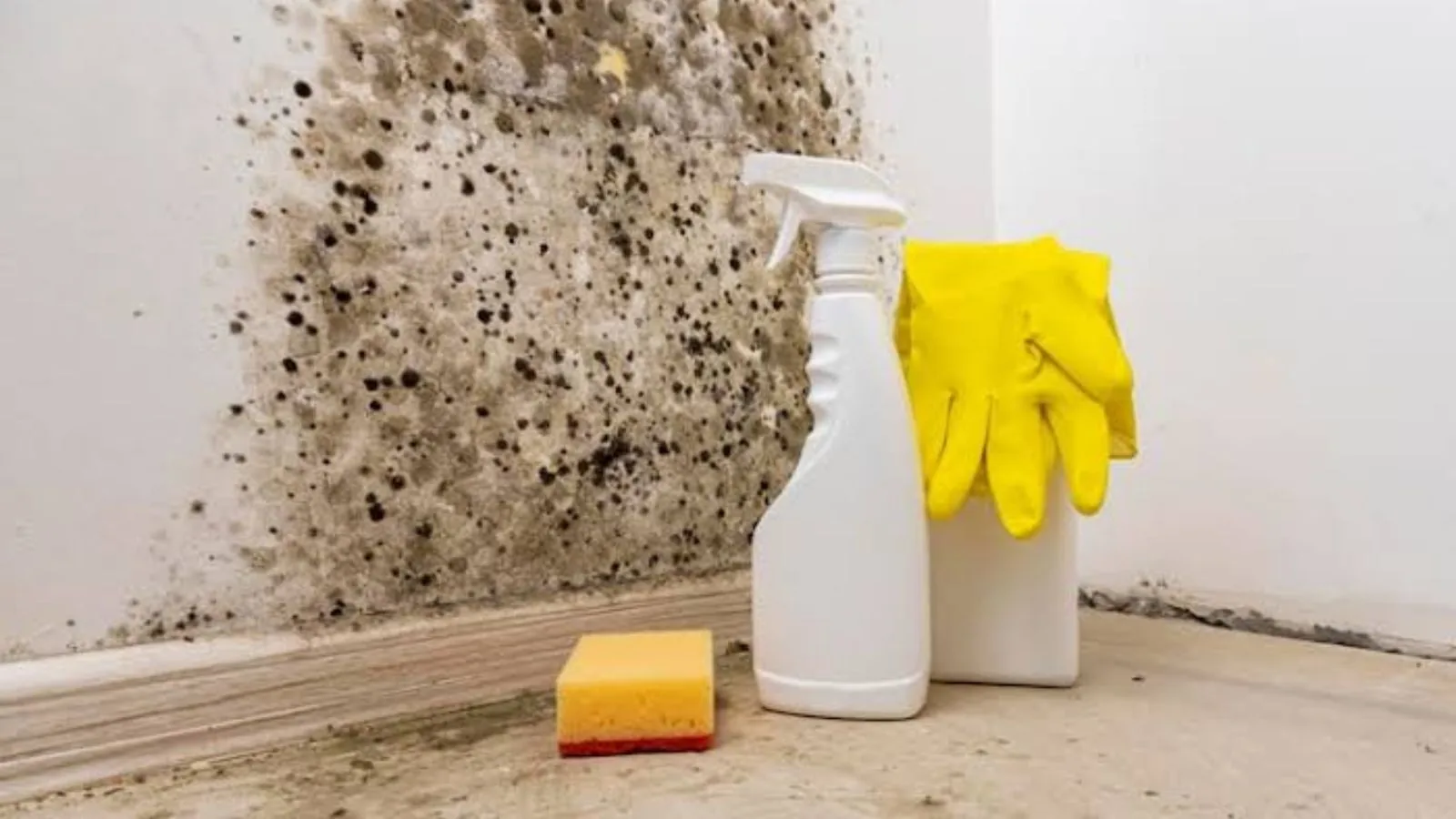
Mold can begin to grow within a few days on materials that stay wet, though the exact timing depends on the material, the temperature, the humidity and what the mold has to feed on. There is no single number that applies to every house.
What holds true is that the first days after a water loss matter most, and that drying the structure quickly removes the moisture that growth needs. This guide explains what changes the timeline and how to use the window.
Why there is no single answer
Mold needs three things: spores, food and moisture. Spores are almost everywhere, so they are rarely the limit. Food is any organic material, including drywall paper, wood, carpet, dust and fabric. Moisture is what you control. Warm, still, damp conditions speed growth, and cool, dry, moving air slows it. Two houses with the same leak can have different outcomes for these reasons.
| Condition | Effect on the timeline |
|---|---|
| Warm temperature | Growth can start sooner |
| Cool temperature | Growth is generally slower |
| High humidity | Keeps materials damp and supports growth |
| Closed cavity with no airflow | Moisture lingers, which favors growth |
| Porous material such as drywall or carpet | Holds water and provides food |
| Hard, sealed surface | Less food and dries faster |
| Contaminated water | Adds nutrients that can feed growth |
What the first days look like
In the first day or two, materials are wet and growth is not usually visible. Over the following days, if moisture remains, a musty smell may appear before anything is seen. Later, spots, stains or fuzzy patches can show on surfaces, often on the back side of drywall or under carpet first. Because the early stages are hidden, relying on what you can see is a poor test.
That is why technicians use moisture meters and thermal cameras to find wet areas that look dry. If a wall reads wet, it is in the window whether or not anything has appeared.
How to use the window
Act on the water first. Stop the source, remove standing water and dry the structure. Remove materials that cannot be dried, such as saturated carpet pad and insulation. The water extraction page covers the first step, and the structural drying page covers the monitoring that shows when the structure is dry.
If you find growth, do not disturb it. Keep the area closed, stop the moisture and read the mold remediation page. In New York, mold assessment and remediation are regulated by the State Department of Labor, so check licenses before hiring.
What drying does and does not do
Drying lowers the risk, because it removes the moisture that growth needs. It does not mean mold can never appear, and a drying log is the evidence that materials reached target. If something stays wet because it was hidden or because drying stopped early, growth is still possible. If you see signs after drying, a moisture reading can show whether a wet area was missed.
A Medford note on humidity and closed spaces
Summers on Long Island are warm and humid, which is the kind of weather that makes a damp house stay damp. A basement or crawl space in Medford that gets wet in July has little natural drying and may stay damp for a long time without equipment. In cold weather, growth may be slower, but cold wall cavities hold water for a long time and can trouble you later.
The National Weather Service publishes local climate normals if you want figures, and this guide does not rely on one. For a Medford homeowner, the practical point is that a wet closed space is the highest-risk situation, in any season.
Basements are the most common place for this problem, and the basement water damage page explains why. The crawl space page covers a space that few people check. The same timeline applies in Blue Point and Patchogue.
What to do in the first days
- Stop the source and remove standing water.
- Pull wet pad, insulation and soaked drywall that cannot dry.
- Start air movers and dehumidifiers and keep the space closed.
- Take moisture readings and watch the trend.
- Note any musty smell, staining or growth and act on it early.
Mistakes that shorten the window
A few habits turn a manageable loss into a mold problem. Waiting several days to see whether a wall dries by itself is the most common. Running a household fan in a closed, damp room moves humid air around without removing the moisture. Covering a wet wall with new paint or paneling hides the problem and holds water in.
Another mistake is stopping drying because the surface feels dry. The inside of a wall or the underside of a floor can stay wet for days after the face feels normal, so ask for readings before equipment is removed.
Mold timeline FAQ
Can mold really start in a few days?
On damp, organic materials it can begin within a few days in some conditions. Timing varies, which is why drying starts as soon as possible.
Will I see mold right away?
Usually not. Early growth is often hidden behind drywall or under flooring, so a smell or a moisture reading can come first.
Does drying fully prevent mold?
It lowers the risk by removing moisture. A drying log shows the structure reached its dry standard.
Is a basement leak in summer riskier?
Warm, humid conditions and closed spaces favor growth, so yes, drying matters more there.
Who handles mold in New York?
The Department of Labor regulates mold assessors and remediators. Ask any company for its license.